
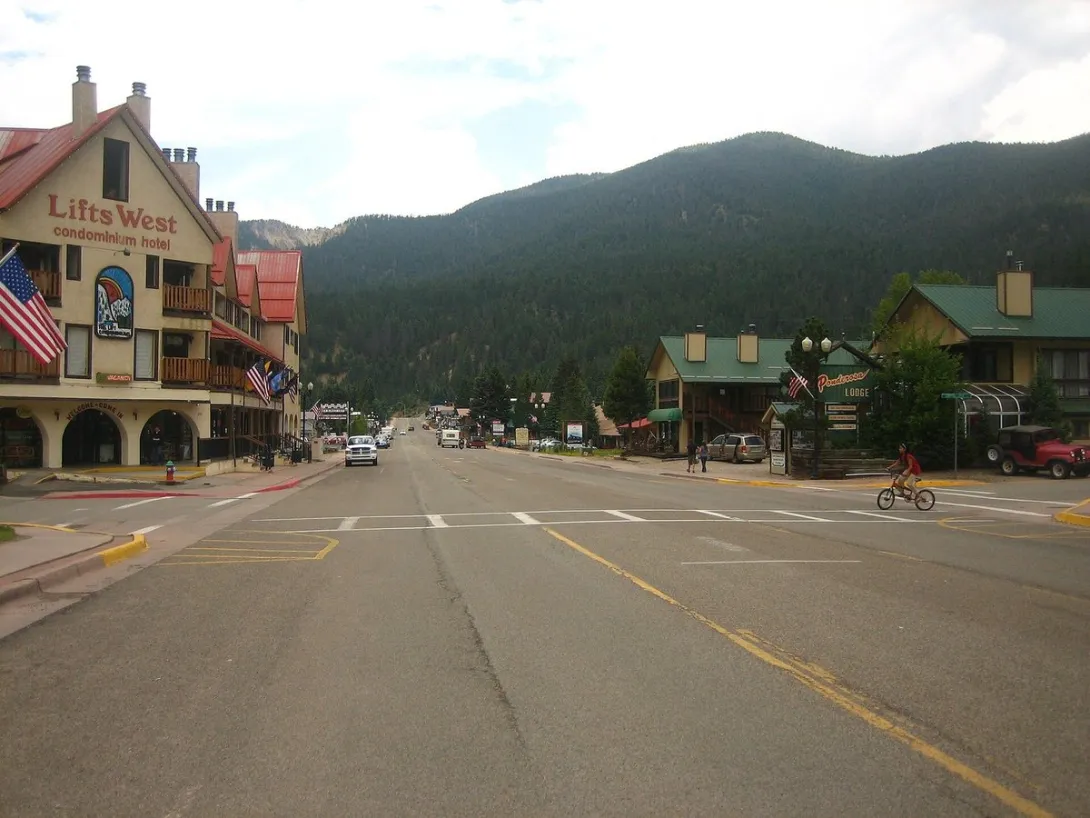
Red River is taking concrete steps to address one of the mountain town's toughest long-term challenges: housing for the people who keep the town running. Demolition has begun at the town-owned rental units slated for replacement by the new workforce housing project, marking the visible start of a plan years in the making.
The project targets 33 aging, affordable rental units for full replacement under Phase I of the town's workforce housing plan. The homes are designed to serve the workers who anchor Red River's outdoors and tourism economy — hospitality and retail staff, service workers, and public safety personnel. In a community where tourism is the lifeblood and, by the town's own account, 99 percent of businesses are family-owned and operated, keeping those workers housed close to their jobs is a matter of economic survival, not just convenience.
The effort has reached Washington, too. In March 2026, Rep. Teresa Leger Fernández submitted an appropriations request for the Red River Workforce Housing Project for fiscal year 2027, asking the House Appropriations Committee to fund Phase I construction. The request frames the project as a textbook rural-housing case: replacing deteriorated units to preserve the existing housing stock, improve local workers' quality of life, and strengthen the local economy.
The timing reflects a broader statewide push. New Mexico launched a Workforce Housing Program through 2024's House Bill 195, backed by a record $200 million in state housing investments, with the latest application round running September 4 through October 16, 2026. Small mountain towns like Red River face the sharpest version of the problem: a seasonal workforce, a short building season at 8,750 feet, and a tourist-driven real estate market that prices out the people who pour the coffee, run the lifts, and patrol the streets.
Red River's economic development office has been layering state support as well. The town recently won Destination Forward tourism-infrastructure funding from the New Mexico Tourism Department and a LEADS economic development grant aimed at business retention — Director of Economic Development and Tourism Max Khudiakov has said the goal is to protect not just livelihoods but legacies in a town built on family businesses.
Workforce housing won't arrive overnight, but the demolition equipment rolling on the town-owned site this summer is a sign that Phase I is moving from paper to pavement. For Red River's workers — and for the town that depends on them — that's a milestone worth noting.